.png)




Air Cooling
Air Cooling
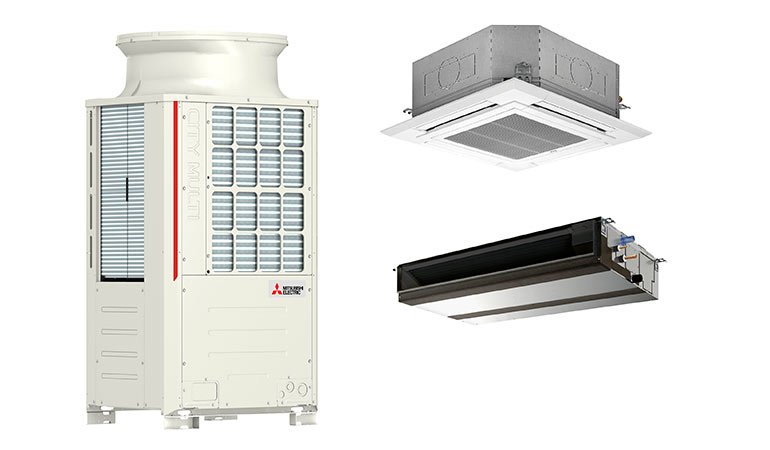
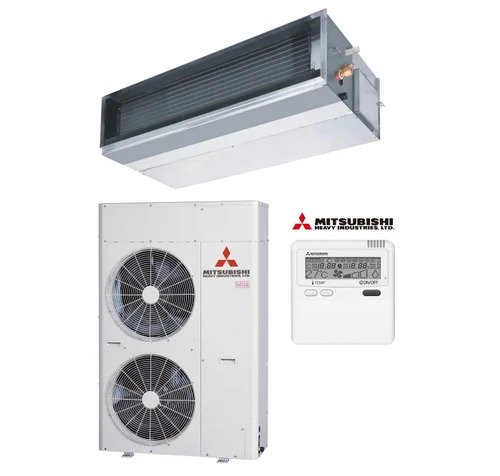
Centralized air cooling refers to a cooling system that uses a central unit, typically located outside a building, to cool and distribute air throughout the entire space. The central unit, often an air conditioner or chiller, cools the air and then circulates it through a network of ducts or pipes connected to various rooms or zones within the building. This centralized approach allows for efficient cooling, as the central unit can be optimized for energy usage and maintenance, and it provides convenient control over the cooling system for occupants.
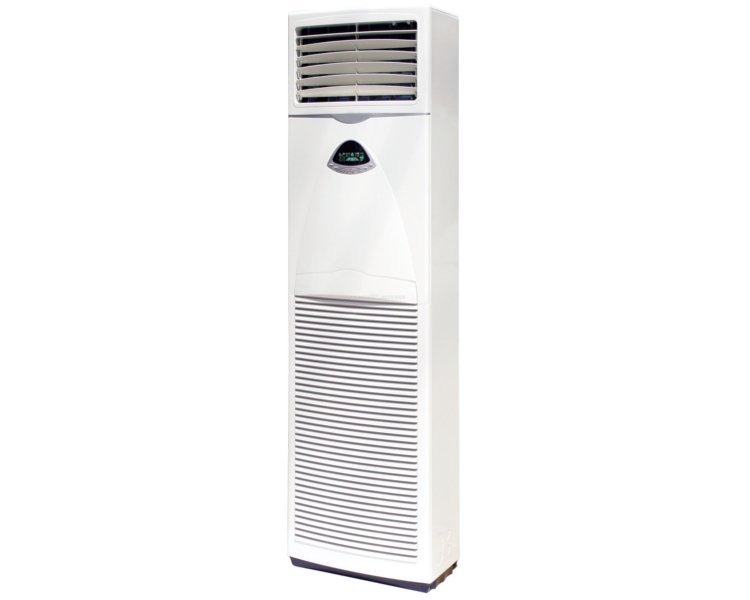
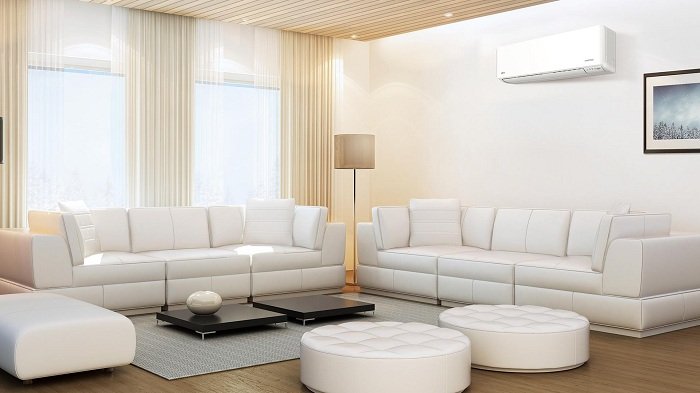
Air cooling is commonly used in various applications, such as cooling electronic components and industrial machinery. It is also used in residential and commercial spaces through the use of air conditioners or evaporate coolers, where air is circulated and cooled using refrigerants or by evaporating water into the air stream.
Compared to centralized air cooling systems, air cooling is typically more localized and specific to a particular area or object. It can be a cost-effective and efficient cooling solution, particularly in smaller spaces or for cooling individual components. However, its effectiveness can be limited in extreme heat conditions or in larger areas where centralized cooling may be more suitable.